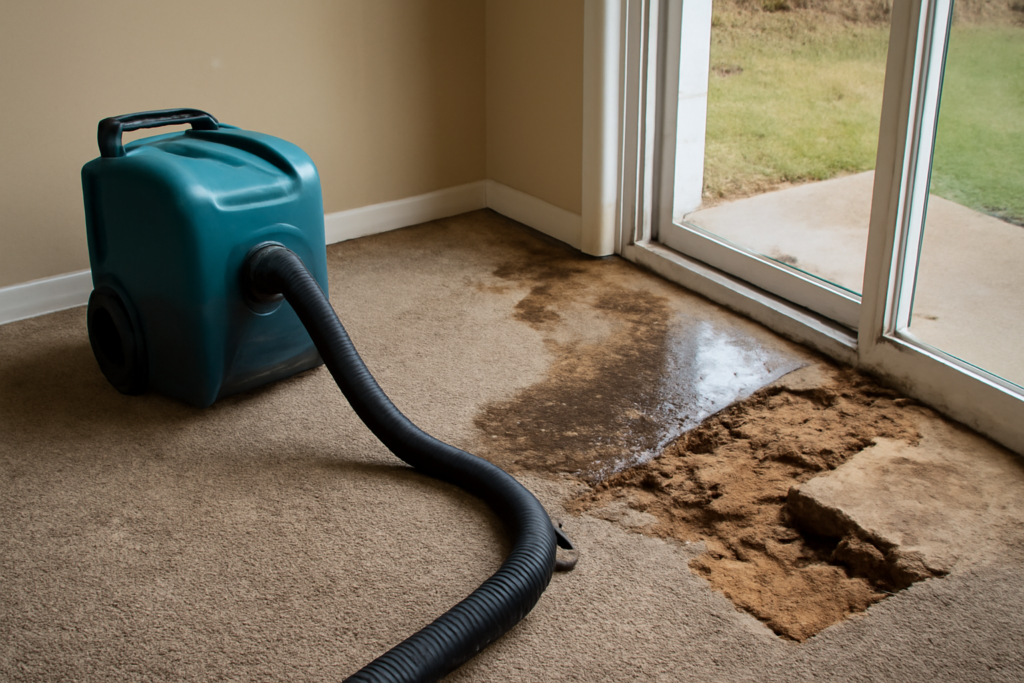
Sewage Water Extraction in Logan, UT
Trusted by 165+ Homeowners
Sewage Water Extraction in Logan, UT: A Crisis in Your Home
You’re walking into your kitchen, and the smell hits you like a punch to the gut. It’s a pungent, acrid stench that makes your eyes water. You follow the smell to the floor, where you see a dark, sticky liquid spreading across the tile. It’s sewage water, and it’s seeping into your home. This is a crisis that demands immediate attention, and you need a team that can respond fast to mitigate the damage. Our team is here to help you contain and extract the sewage water, saving you from costly repairs and potential health hazards. We’ve got the equipment and expertise to handle this job, and we’ll work tirelessly to get your home back to normal.
Don’t take our word for it – our 165+ five-star reviews from satisfied customers in the area speak for themselves. Homeowners in Logan, UT, and surrounding areas trust us to handle their sewage water extraction needs because of our commitment to fast, efficient service and our dedication to customer satisfaction.
- We use advanced moisture detection equipment to pinpoint the source of the leak and identify areas of high moisture content.
- We employ a team of certified technicians who are IICRC-trained in sewage water extraction and have the skills to handle even the toughest jobs.
- We provide free estimates and work with most insurance companies to ensure a smooth claims process.
How Our Sewage Water Extraction Service Works
When sewage water invades your home, it’s essential to act fast to prevent further damage. Our team follows a strict protocol to ensure that every step is taken to contain and extract the sewage water safely and efficiently. Here’s a breakdown of our process:
Step 1: Containment
We use specialized equipment to contain the sewage water and prevent it from spreading to other areas of your home. This includes setting up a containment system to keep the affected area isolated.
Step 2: Moisture Detection
We use advanced moisture detection equipment to identify areas of high moisture content and pinpoint the source of the leak. This helps us find out the best course of action to take.
Step 3: Extraction
We employ specialized equipment to extract the sewage water from your home. This includes powerful pumps and vacuums that can handle large volumes of water quickly and efficiently.
Step 4: Drying and Dehumidification
Once the sewage water has been extracted, we use specialized equipment to dry and dehumidify the affected area. This includes setting up industrial-grade drying fans and dehumidifiers to speed up the drying process.
Step 5: Sanitizing and Disinfecting
Finally, we sanitize and disinfect the affected area to prevent the growth of bacteria and other microorganisms that can cause health hazards.
Don’t wait any longer to address the sewage water crisis in your home. Our team is here to help you get back to normal as quickly as possible. Contact us today to schedule a free estimate and take the first step towards restoring your home to its former glory.

Warning Signs You Need Sewage Water Extraction
Catching the signs of sewage water damage early on can save you from costly repairs and potential health hazards. Here are some warning signs to look out for:
Musty Odors That Won’t Go Away
Musty odors that persist even after cleaning and disinfecting may show sewage water damage. Don’t ignore this sign – it could be a sign of a larger problem.
Stains and Discoloration
Stains and discoloration on walls, ceilings, and floors may show sewage water damage. Don’t wait to address this issue – it could spread quickly.
Warped or Buckled Flooring
Warped or buckled flooring can be a sign of sewage water damage. This can lead to costly repairs and potentially create health hazards.
Increased Water Bills
Unexplained increases in your water bills may show a hidden leak or sewage water damage. Don’t ignore this sign – it could be a sign of a larger problem.
Water Stains on Ceilings
Water stains on ceilings can be a sign of sewage water damage. Don’t wait to address this issue – it could spread quickly.
Cracks in Walls and Floors
Cracks in walls and floors can be a sign of sewage water damage. Don’t ignore this sign – it could lead to costly repairs and potentially create health hazards.
Sewage Water Extraction vs. DIY: When To Call a Professional
| Situation | DIY? | Call a Pro? | Why |
|---|---|---|---|
| You’ve noticed a small leak under the sink. | Yes | No | DIY is fine for small, contained leaks. |
| You’ve experienced a sewage backup during a storm. | No | Yes | Severe sewage water damage needs professional attention to prevent further damage. |
| You’ve noticed a musty odor in your basement. | No | Yes | Musty odors can show sewage water damage, which needs professional attention to prevent health hazards. |
| You’ve seen water stains on your ceiling. | No | Yes | Water stains can show sewage water damage, which needs professional attention to prevent further damage. |
| You’ve experienced a pipe burst in your home. | No | Yes | Pipe bursts need professional attention to prevent further damage and ensure your home is safe. |
| You’ve noticed cracks in your walls and floors. | No | Yes | Cracks can show sewage water damage, which needs professional attention to prevent further damage and health hazards. |
Don’t wait any longer to address the sewage water crisis in your home. If you’re unsure about whether to DIY or call a professional, it’s always best to err on the side of caution and contact us for a free estimate.
Sewage Water Extraction Cost in Logan, UT
The cost of sewage water extraction can vary depending on the severity of the damage, the size of the affected area, and local conditions in Logan, UT. Our estimates are free and based on an on-site assessment, and we work with most insurance companies to ensure a smooth claims process.
| Service | Typical Price Range | What Affects Cost |
|---|---|---|
| Containment and Extraction | $500 – $2,500 | The size of the affected area and the severity of the damage. |
| Moisture Detection and Drying | $1,000 – $5,000 | The extent of the moisture damage and the equipment needed to dry the area. |
| Sanitizing and Disinfecting | $500 – $2,000 | The size of the affected area and the type of sanitizing and disinfecting methods used. |
| Equipment Rental and Labor | $1,000 – $5,000 | The type of equipment needed and the number of technicians required. |
| Insurance and Claims Processing | $500 – $2,000 | The complexity of the insurance claim and the time required to process it. |
Exact pricing will depend on an on-site assessment, and we offer free estimates to ensure you know exactly what to expect. Contact us today to schedule your appointment and take the first step towards restoring your home to its former glory.
Service Areas Near Logan, UT
We serve the following nearby communities: Hyrum, Wellsville, Mendon, Nibley, North Logan, Providence, Richmond, Smithfield, and Tremonton.
Common Questions About Sewage Water Extraction
Q: How long does sewage water extraction take?
A: The length of time required for sewage water extraction depends on the severity of the damage, the size of the affected area, and the equipment needed to contain and extract the water. Our team will work tirelessly to get the job done as quickly as possible, but we also focus on quality and safety to ensure that the job is done right.
Q: Is sewage water extraction covered by insurance?
A: Yes, sewage water extraction is typically covered by insurance, but the specifics of your policy will depend on your coverage and the circumstances of the damage. Our team will work with you and your insurance company to ensure a smooth claims process and get you the compensation you deserve.
Q: Can I do sewage water extraction myself?
A: While it’s possible to try sewage water extraction yourself, it’s not recommended. Sewage water can contain bacteria and other microorganisms that can cause health hazards, and improper extraction can lead to further damage and costly repairs. Our team has the training, equipment, and expertise to handle sewage water extraction safely and efficiently.
Q: How do I prevent sewage water damage?
A: To prevent sewage water damage, it’s essential to regularly inspect your pipes and drains for signs of wear and tear, and to address any issues quickly. You should also consider installing a backwater valve to prevent sewage water from backing up into your home. Our team can help you identify potential risks and provide recommendations for prevention and maintenance.
Check Our Other Relevant Services
Serving Logan, UT And Nearby Areas